Team
-
Jan Vondráček (PI)
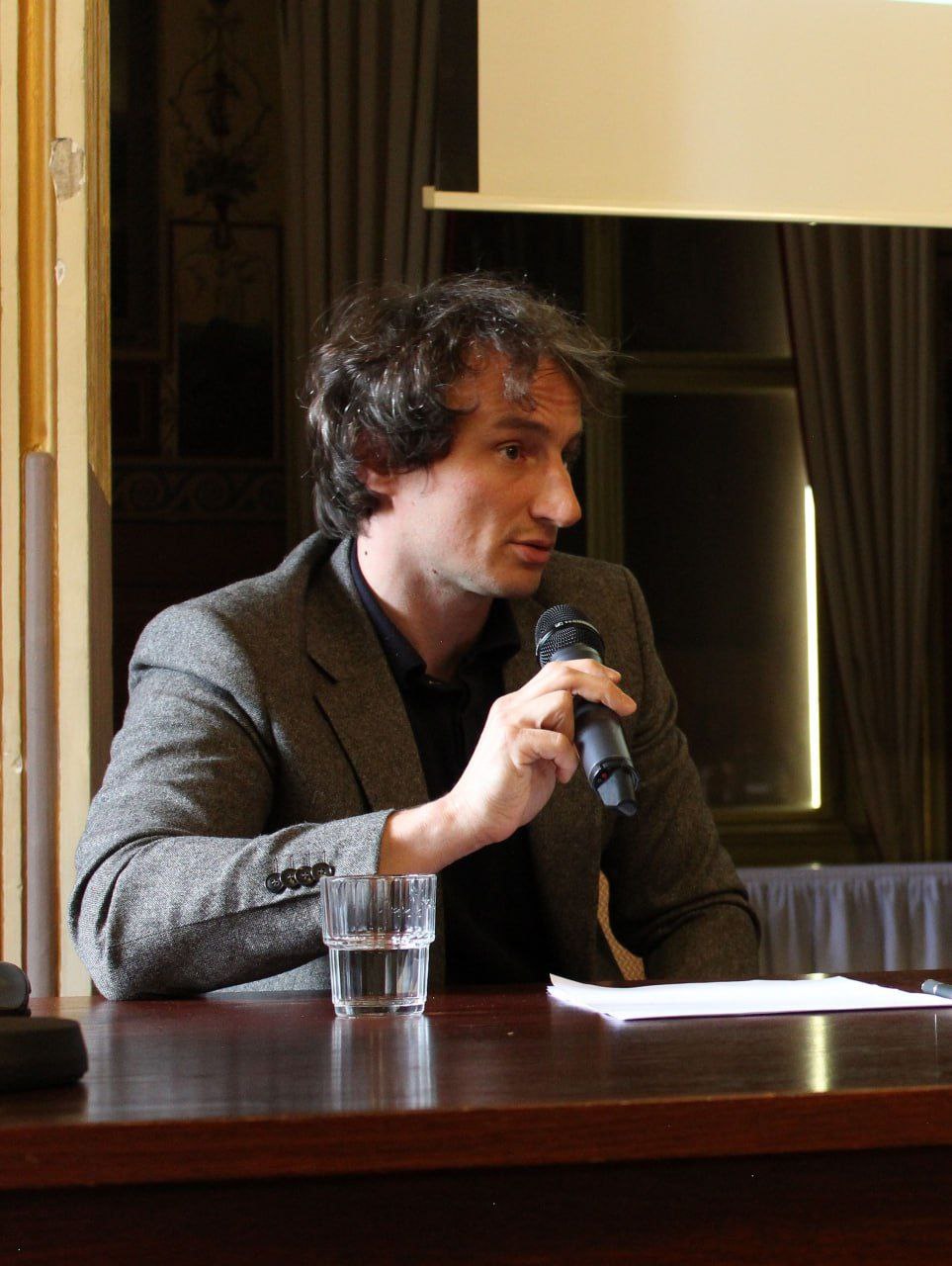
Dr. Jan Vondráček is a researcher at the Masaryk Institute and Archives of the Czech Academy of Sciences and teaches history at Charles University in Prague. He studied history and political science at TU Darmstadt, earned an M.A. in East European Studies from Ludwig Maximilian University of Munich in 2011, and received his Ph.D. from TU Chemnitz in 2017 with an award-winning dissertation on everyday life under German occupation in the Protectorate of Bohemia and Moravia (published by the Herder Institute in 2021). Building on this research, he has collaborated with the Massachusetts Institute of Technology (MIT) on Digital Humanities projects and was recently awarded the Czech Academy of Sciences’ prestigious Lumina Quaeruntur research prize. He is currently leading the Connected History Project (CHiP), which develops computational approaches for integrating and analyzing archival sources across institutions. He is also focusing on the history of the defense of Czechoslovak democracy against the Nazi movement. His second monograph, Origins of Militant Democracy: The Shaping, Defense, and Perception of the First Czechoslovak Republic, 1918–1938, will be published by transcript Verlag next year.
-
Kurt Fendt (Co-PI)

Dr. Kurt Fendt is Senior Lecturer Emeritus in Comparative Media Studies/Writing (CMS/W) and Director of MIT’s Active Archives Initiative at Massachusetts Institute of Technology (MIT) in Cambridge, MA, USA. He directed MIT’s Digital Humanities Lab HyperStudio for more than 20 years. Kurt also taught Digital Humanities subjects in CMS/W and German Studies courses in Global Languages. He is Co-PI of the Lumnina CHiP project, PI of the collaborative annotation platform Annotation Studio and several other digital media and archival projects.
-
Tomáš Musil (Machine Learning Researcher)
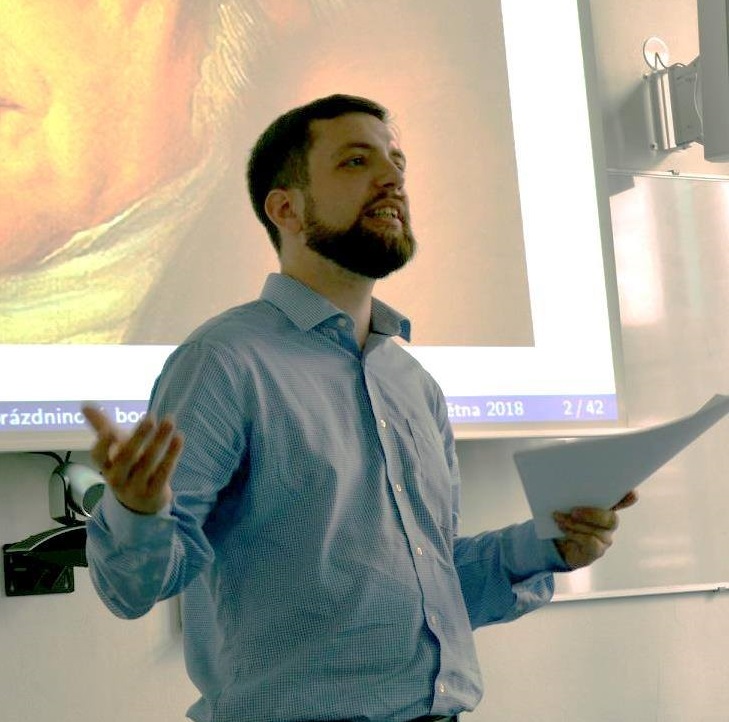
Dr. Tomáš Musil holds a Ph.D. in Computational Linguistics from Charles University, Faculty of Mathematics and Physics. His research at the intersection of AI and humanities focuses on representations of meaning, computational text analysis, and the application of generative language models to historical and literary texts. As a researcher at the Institute of Formal and Applied Linguistics (ÚFAL), Tomáš brings expertise in neural language models and text processing technologies crucial for working with archival materials.
-
Jan Kolínský
Jan currently studies for master’s degree in political theory at Faculty of Arts, Charles University in Prague, having previously finished combined study program of Political Science and History. His bachelor’s thesis on the Action Committee in Czechoslovak parliament was awarded F. L. Rieger award. He has worked at Masaryk Institute and the Archives of Czech Academy of Sciences and also as a student assistant on several grant projects at Institute of Contemporary History.
-
Veronika Soukenková
My name is Veronika Soukenková, and I am currently in my second year of studies at Charles University, Faculty of Humanities. I study history and philosophy, with anthropology as my specialization within the social sciences. As part of the Lumina project, I worked extensively with a database, focusing in particular on Registration Book A, where I created and refined annotations using the dedicated annotation interface. My academic interests center on modern history, with a strong emphasis on the period of the Second World War, which I find especially compelling from both historical and interpretative perspectives.